Beyond Grades - how to make school work for your teen
How to Make School REALLY Work for Your Teen
I met with a parent yesterday on Zoom who I’ve been working with now for over 6 months and she messaged me after our call to say: “I’m really pleased he has you in his life.”
She and I actually travelled together when we were 18, spending some time in Varanasi, India, as a break from our respective Gap Year teaching positions in Nepal.
And now I’m her son’s coach, and her parent coach too… amazing how things turn out 🙂
What’s prompting her to be grateful for my presence in her teenage son’s life now is the work we are all doing together to bring him out of his shell, to coax him into his fuller potential, to build solid foundations - in these tender, isolating and formative years - for lifelong confidence, satisfaction and fulfilment, starting right now!
He is already in so many ways a model son and student but she knows as much as I do that so much more is possible for him and we are making great strides in achieving the less tangible and less measurable results; the results we’re all aware of that are actually way more profound, way more substantial, real and meaningful for our kids, in both the short and the long terms.
He’s got good grades pretty much in the bag already, but of course there is always more. 7s could be 8s or 9s, that’s where he’s at.
And I know that the more he learns self-discipline and work ethic now and understands the real purpose of academics - how much it can give him in terms of his own personal growth, satisfaction and reward - the better for his life habits and ultimate joy and success.
So what we’re really shooting for, alongside academic excellence in raw grade terms, is evidence of the evolution of the deeper personal qualities and characteristics that we all want behind the mark attainment.
I’m working with him and his mum on these growth targets:
Agency & Self-Direction - knowing who he is, what he wants and where he wants to end up and taking the necessary steps to get there eg Physics at Imperial…?
Confidence - to speak up and stick his neck out, at home, in school and in the outside world, where otherwise he can tend towards just being quiet, compliant and passive. He was first up to jump off a high rock into a lake this summer on a group trip and is starting to tell his parents what he wants, like a later bedtime… This is all part of it and results his mum and I are celebrating :)
Passions & Interests - he’s doing ok generally outside of school playing basketball, tennis and guitar but he’s not really going for it, he’s not on fire with natural drives and initiatives (yet) but he could be. And with my coaching support I know he will be.
Autonomy & Self-Leadership - he’s starting within the programme to take complete ownership of his studies and his incredible, go-getter mum has committed to stepping back and leaving him to it, with immediately positive results in his end of year Summer tests where he exceeded expectations in several key subjects (and with no mum management, coercion or nagging whatsoever - phew, what a relief?!)
Ambition - to really make the most of each and every day, to scale his full potential through taking consistent action in healthy and structured daily habits and routines.
In parallel with setting these more abstract but also frankly more important personal development targets, we are also working to crank up his skillset in both Maths and English. He is a natural Mathematician and Scientist, now entering Year 10, and his English isn’t too shabby either, although it’s not his preference. One of his daily habits is a Maths one that I often use with students who are willing: a simple daily quiz session that he can access online that’s quick and easy to self-mark and which shows both of us, when we meet each week, where he needs more understanding or better processing habits.
English-wise I’ve yet to meet a student who doesn’t benefit greatly from some 1:1 instruction on essay-writing technique: how to think, take stock of ideas, write a good plan with a well-crafted and clear argument and then execute paragraphs packed with analysis and relevant insight that directly answers the question. From what I can see, this often isn’t taught very well in schools or in big class situations. He’s no different, he’s got it all to give in terms of what he can see in analysing and understanding his texts and poems but he badly needs the structure and practice of getting his ideas down quickly and succinctly into a plan. Clear instruction and regular practice is what brings this home, there’s no other way (which is why I think many schools don’t really get fully into it)
And then the mum is also really evolving in her parenting style and approach: she’s taking full advantage of our separate forum and connection through Whatsapp to discuss key aspects of her approach to parenting her child at this stage. She knows she can be too powerful really for her child, too capable, doing too much for him, asking too much of him, taking over too readily. She just knew it was time to hand over and she’s known me and followed me for a while. She knows my business is in empowering young adults and parents in exactly this way, helping him step into his own power and confidence, rather than hiding behind hers, deferring to her and going along with her design and drive for his life.
Neither of them would benefit from this continued trajectory, few parents or teens do, and she knew it. So she took the brave and, in my opinion, brilliant move to open things up for both of them, so that she could responsibly step back and he could start to step up, taking the reins for his own life, trying himself out in self-leadership, finding his voice, finding himself.
I don’t recommend any other route through adolescence. Parent-led adolescence is not only incredibly painful but it’s also counter-productive, even destructive, for all parties.
All our kids need to start to make their own decisions in life, from the earliest ages possible not just when they become teenagers, and to learn from being fully responsible for these decisions, the good ones and the bad ones, without us constantly getting in the way of this crucial learning experience.
They need to find their own commitment in life and their own intrinsic motivation to lead whatever life it is they want to lead. They need in these teenage years to learn simple things for themselves like how to go to bed on time, how to structure their own working routines, how to set their own standards and apply themselves accordingly, how to figure out what they want to do with their time, how to think for themselves, what they really want out of life, what they want to be and who they want to surround themselves with.
We can’t and mustn’t attempt to do any of this for them.
The best we can do - what I do with all my students and my own children for that matter - is just to listen; to hand over; to ask them; to stop fixing and making the moves for them; to sit back and see what happens and be there for them of course when they do need (and want) our input or guidance.
We all need to start to give this power, agency and responsibility to them and also to others around them who are already or could potentially be a positive and significant voice in their lives, a powerful influence to support them on their way through the teenage years and a healthy guide to stabilise them in their own identity as it forms in these rich and wild years.
Wishing you and your children the world and the happiest and closest of relationships with each other. Few things are more important than that!
Henry
PS. Still time (if you book your free call today) to get your teen signed up for this year. Click here.
If you’re not already a member of our awesome Young Fire Academy Parent Community Group on Facebook, come join us! Get support from me and other like-minded parents who are on this journey too.
Click here to join: https://www.facebook.com/groups/youngfireparents/
And to find out more about our programmes and offerings, please visit our website at www.youngfireacademy.com

Henry Dingle
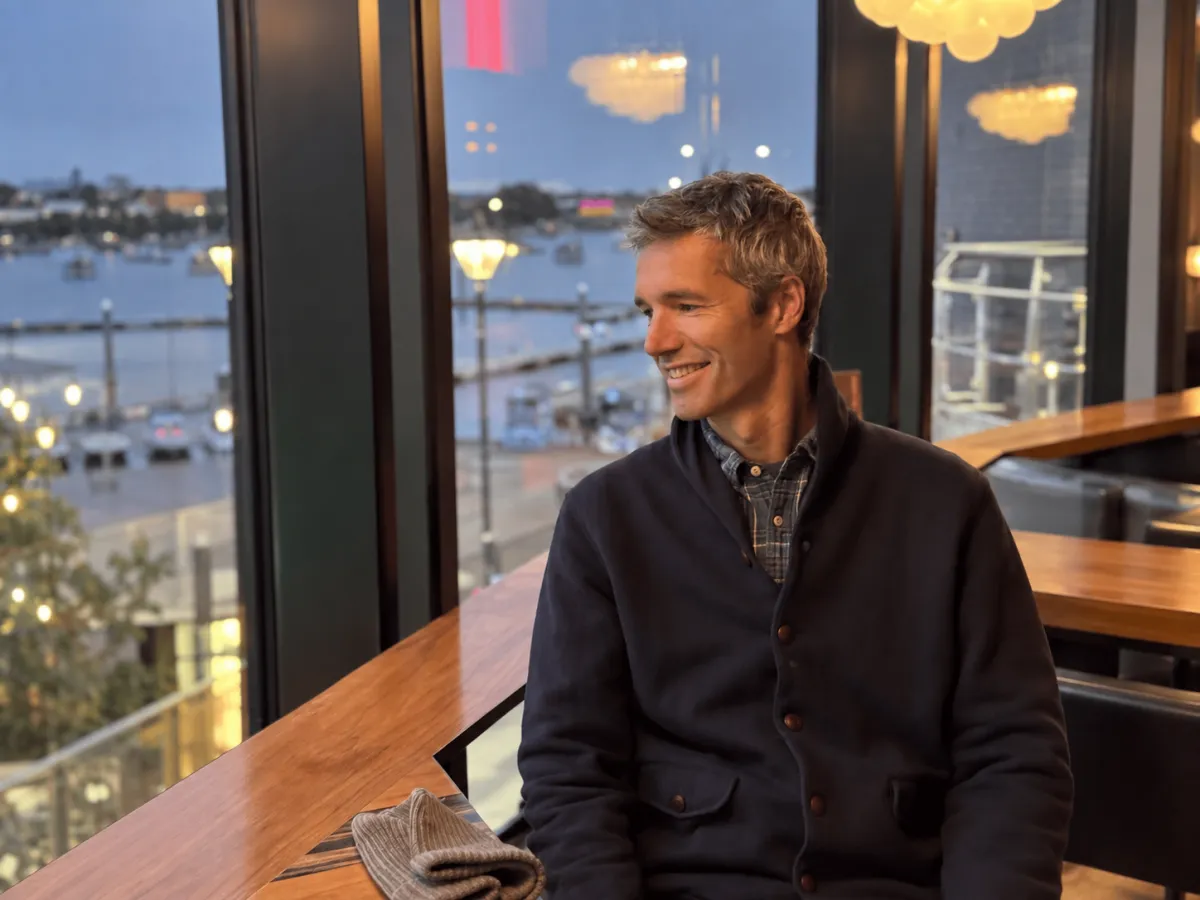
Henry Dingle is the founder of Young Fire Academy and an expert teen and parent coach, as well as a specialist tutor. He helps exasperated parents and their demotivated teens reconnect and thrive by fostering authentic relationships, trust, and accountability. With over 25 years of experience working with teens, Henry’s approach ignites motivation, leading to greater self-confidence and real-life satisfaction.
He empowers students to take charge of their learning through mindset coaching, effective essay-writing techniques and Maths helping them build confidence and enjoy their academic journey. As a parent coach, Henry supports families in restoring trust, improving communication, and creating a more harmonious home environment.
