(No) Laughter in the Classroom?
As I may have already mentioned, I’ve taken on a lovely mentoring / teaching role a few mornings a week in the adolescent community (Y8-10) at Cardiff Montessori School(CMS), my kids’ school, and I was struck the other day by hearing the laughter of a few of the girls in one of my classes.
Nothing’s unusual in this school about hearing laughter in these school rooms and corridors. What was interesting to me was not their laughter as such but more my own thought process and visceral reaction to it.
CMS is an intentionally safe environment, radically safe by today’s educational standards i would say.
There is no disciplinary system as such - and no behaviour charts or points systems either - and, from my experience, there isn’t any need for any of this either, due to the embedded culture of respect, self-directed learning, connection and togetherness in the community of teachers and students. There really aren’t issues.
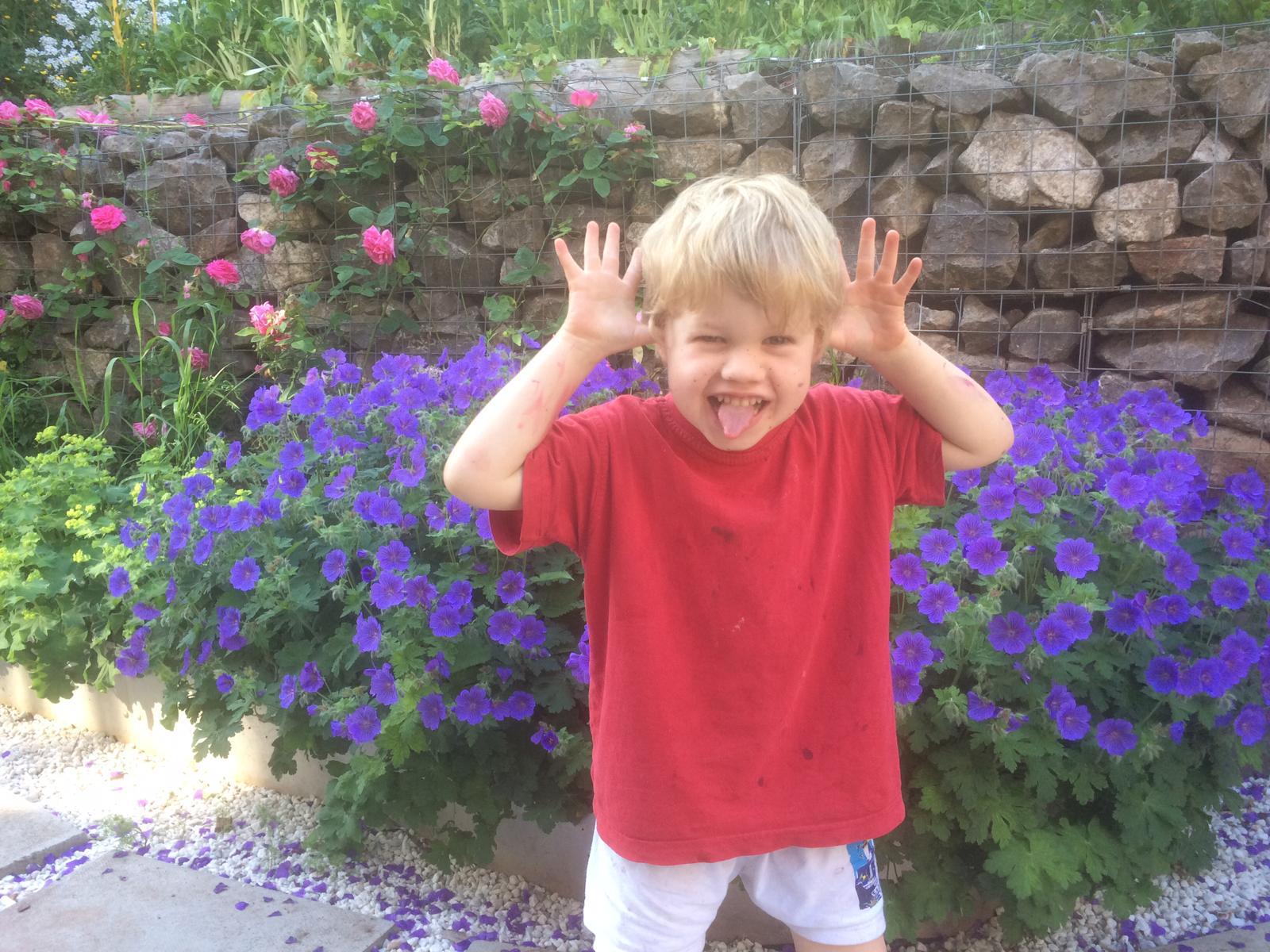
Laughter and authentic student well-being pervades the atmosphere of every schooling day for all children and with no one left out.
That’s not to say that every student LOVES every minute of every day, it is still life after all - and adolescent life at that too! But the student unity and harmony I have found since becoming a part-time teacher there is astounding.
The students are all so different as characters, with diverse natures and interests and they are also highly multicultural in their family backgrounds and yet… they all head off, for example, on school trips absolutely delighted to be together and everyone has a complete blast.
There is no underlying social drama, cliquiness or tension. In some ways it is too small and close a community, it just isn’t a space or place where this kind of thing could comfortably play out and there would be absolutely no way of hiding it if it did.
Very simply the students have a baseline love and appreciation for each other and even if they do also have their stronger friendships and preferences within the peer group, which of course they do, the whole group nonetheless operates well as one.
And again, like I say, with no one left out.
It is a beautiful and stunning achievement in my opinion that’s hard to fully get across to those outside the community and easy in some ways for those of us on the inside to take for granted.
I DON’T take it for granted though, mostly because of the work I do and what I see in the adolescents and parents I meet and work with every day in my coaching programmes. I have a heightened awareness through this work of what is current in mainstream education and also how we are individually and collectively raising and parenting this generation of children and young adults. I think of little else in (and outside of) my working day and have done now for over two decades.
Today’s reflection is about my own reaction to these two girls’ laughter in my Maths lesson on Monday.
Like I say, CMS is not at all like most other schools. The students have a level of freedom, autonomy and respect that visitiong mainstream students often cannot fathom. They self-manage their own learning, they are trustd and empowered to get their own work done on time, they never get punished, they never get shouted at, nothing is a problem that can’t be worked through over time with a caring teacher that they like and can rely on in these times.
And yet of course, we as teachers still have exactly the same need to make sure we are getting the best out of the students and driving them on to make the most of themselves in this incredible learning environment. All of them are going to do GCSEs just like in any other UK school and it’s high on all minds in the teaching body that we cannot fail these delightful young adults in this crucial aspect of their learning.
So when I heard the two girls laughing I was and wasn’t surprised by my ‘instinctive’ reaction.
I felt like I needed to shut it down.
It felt potentially inappropriate and disrespectful - to me and to their peers
It triggered in me a deeply ingrained way of thinking based on my own childhood and schooling experiences.
I felt I needed to control them, to hush them and to exert my teacher power over them to get them working again (like the rest of the class).
But then I caught myself.
A split second later I was flooded by the exact opposite thought and feeling.
How utterly wonderful it is that we have a school where laughter is everywhere every day, even right in the middle of a Maths class, right under the teacher’s nose and without the teacher involved in any way in it.
I know all my students work hard and are dedicated to their own learning.
When I leave the room, which I often do, since I am not employed to proclaim Maths from the front, I am more facilitating and supporting their own self-directed learning journeys, individually and collectively, I come back and more often than not they are quietly working, even 15 minutes later.
Occasionally I hear raised voices as I approach the room and find they are arguing about the Maths and how to do it.
Or they are larking about for a bit - and who cares if they are? I don’t, so long as they are putting in the work when it counts and they all are and I am extremely vigilant about that.
Because this schooling system that I am privileged to be a part of trusts children and teachers.
We can leave these students alone knowing that they can handle these times of autonomy and in doing so teaching them genuine personal responsibility that otherwise our children will struggle to learn.
These children, and all children, naturally want to learn and they do here, often with a passion.
The teachers don’t have to be (or to look like they’re) ‘in control’
No one gets sent out for talking
No one gets singled out for laughing, or for anything for that matter (not ‘singling out’ any individual student is written into our teachers’ code of conduct)
Everyone - students and teachers alike - handle this balance on a daily basis between natural teenage exuberance, desire to connect and have fun together with the underlying purpose and responsibility we all also have to work, to make significant progress, to grow personally and to all push ourselves to be the best we can be.
It’s a team effort, teaching and learning, and it works best by a mile when you are all in it together, not pulling against each other in any way.
I felt a profound wash of gratitude that a system like this exists in this world and that I get to be a part of it.
If I have my way all schools and systems will become like this. It would take time and a significant cultural shift in societal, parental and teacher expectations and mindsets, but it IS possible, as proven by schools like this.
It aligns absolutely perfectly with my own coaching vehicles, honed and developed over these past few decades - Trust, Choice & Fun - and as such is one of the very few schools I see I could ever happily work in, other than as a visiting speaker, cultural collaborator or as ambassador for this Montessori / YFA approach.
But this - entirely internalised experience of mine - with the students laughing also made me feel very sad.
To think of how student laughter is generally unwelcome in our schools, how much children have to temper and mute their natural ways of being which enable them to connect and belong and how this undermines their overall potential to learn through a profound sense of safety, dignity and autonomy in the world.
Do you think it’s possible that we could grow as a global human society to allow more laughter, connection and natural teenage exuberance in our institutions (and homes) or will we forever buckle to this ingrained need as adults to hold down the natural wildness, the abundant energy, the spontaneous joy even, in our adolescent children, students and communities?
If you’re not already a member of our awesome Young Fire Academy Parent Community Group on Facebook, come join us! Get support from me and other like-minded parents who are on this journey too.
Click here to join: https://www.facebook.com/groups/youngfireparents/

Henry Dingle
Henry Dingle is the founder of Young Fire Academy and an expert teen and parent coach, as well as a specialist tutor. He helps exasperated parents and their demotivated teens reconnect and thrive by fostering authentic relationships, trust, and accountability. With over 20 years of experience working with teens, Henry’s approach ignites motivation, leading to greater self-confidence and real-life satisfaction.
He empowers students to take charge of their learning through mindset coaching, effective essay-writing techniques and Maths helping them build confidence and enjoy their academic journey. As a parent coach, Henry supports families in restoring trust, improving communication, and creating a more harmonious home environment.
